
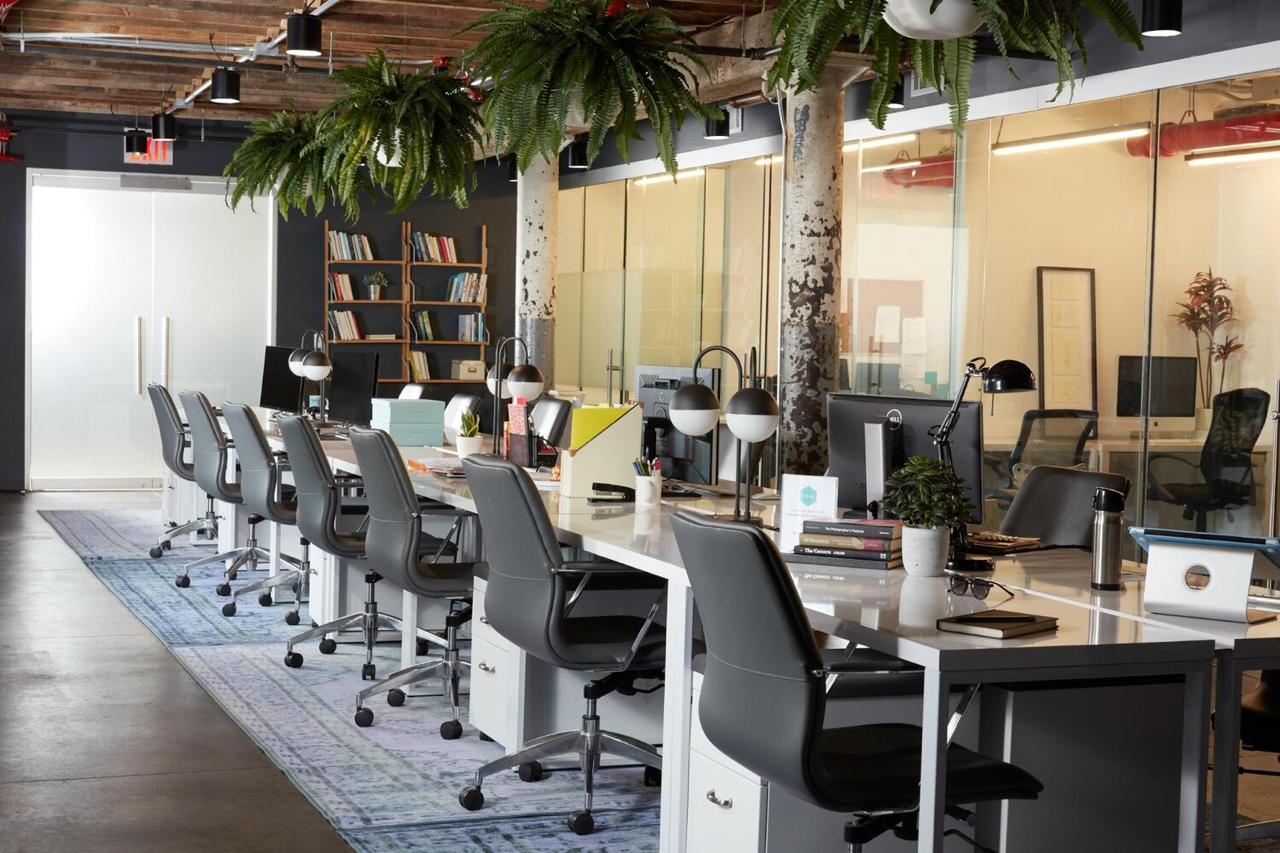
Flexible Workspace Meeting the Demands of today and tomorrow.
The concept of workplaces has been transformed in the recent past. As the world embraces mobility, collaboration, and the desire to cut costs, a flexible workspace has emerged as a possible solution. After all, with their long-term leases and rigid structures, regular office spaces often struggle to keep up with the need for agility and scalability unlike the FUTURE WORKSPACES involving a very minimal terms and conditions.
1. Affordability
Regular office needs huge financial commitments. These may include long-term lease agreements, and office furnishings and utilities expenses.
The Future Workspace offers an economic advantage by presenting fitted-out business offices. You can rent on an hourly, daily, and or monthly basis. This also helps in cutting down huge investments and the responsibility of managing office infrastructures.
2. Networking Opportunities.
Shared office spaces also promote an organisational culture of transparency and the interchange of ideas. This can benefit business owners and freelancers more. This is because getting such opportunities in a more secluded office is not possible. This gives businesses a new boost and helps you grow personally as well.
3. Support for Work-Life Balance
Most of the time, you will see that flex spaces are located in accessible locations. This can reduce commute times and save your effort as well.Less stress during daily commuting means that employees are more likely to adopt a healthier work-life balance. This is something very important in the modern work culture.
4. Boosts Creativity and Ideas.
Future Work spaces also accommodate fresh talent, skills, and ideas from different backgrounds and fields. This means there are a lot of possibilities for creativity, productivity, and innovation.
Conclusion
The concept of a flexible workspace is a versatile solution. These spaces excel at meeting the demands of today’s workforce and the expected needs of tomorrow.